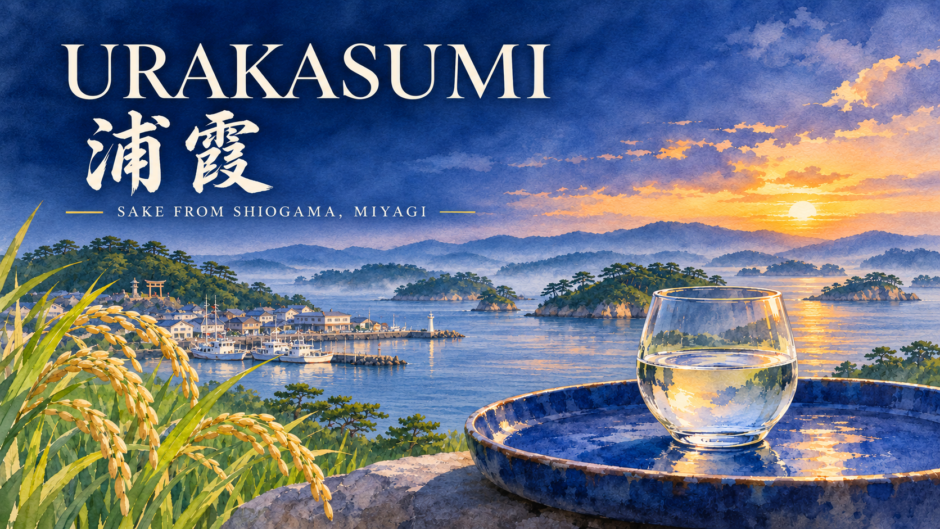

Urakasumi (浦霞) is the sake brand of Saura Co., Ltd. in Shiogama, Miyagi. The brewery began in 1724, and its present identity combines a long tradition of careful brewing with products such as Urakasumi Zen (浦霞禅) and the No. 12 series. For a first bottle, Zen offers a clear introduction to the range.
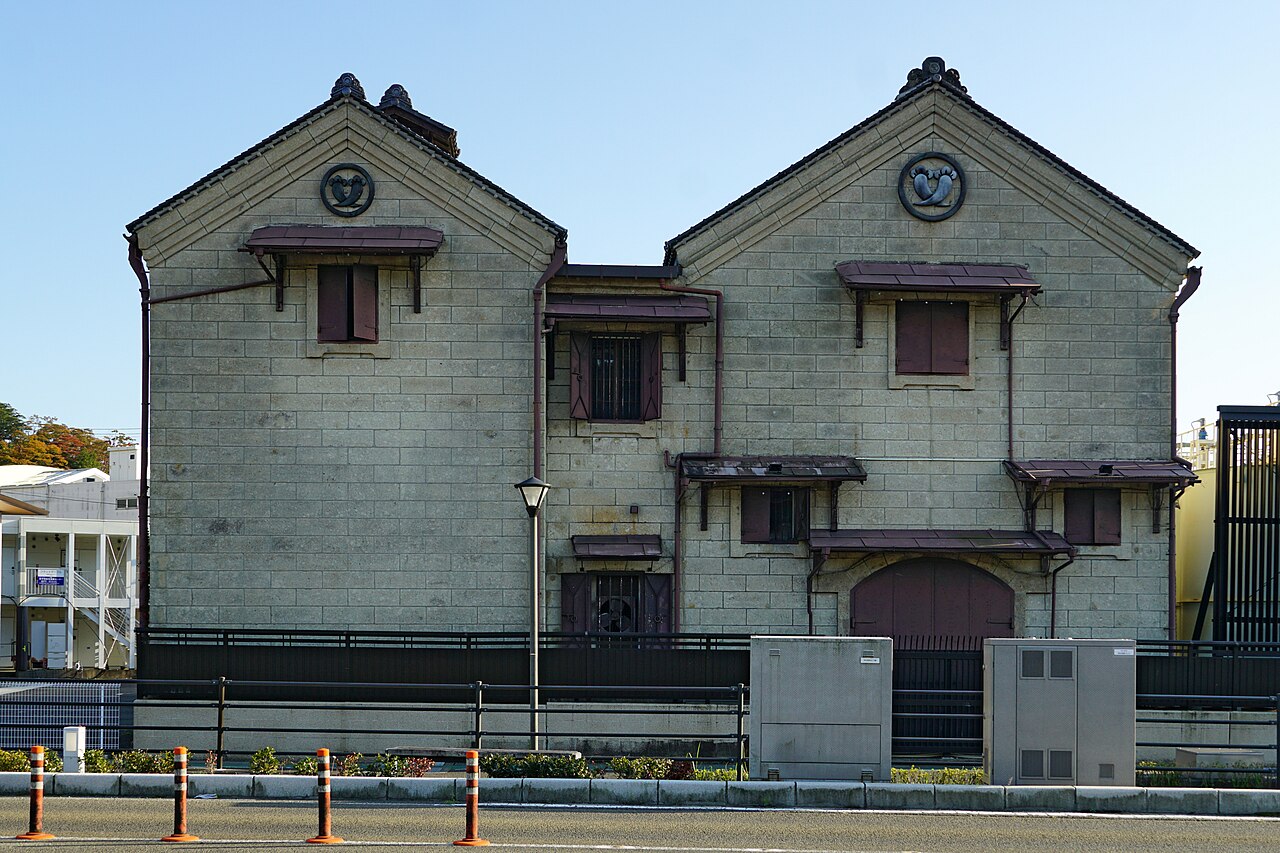
Urakasumi at a glance
| Japanese name | 浦霞 — Urakasumi |
|---|---|
| Producer | Saura Co., Ltd. — 株式会社佐浦 |
| Home | Shiogama, Miyagi Prefecture |
| Founded | 1724 |
| Starting point | Urakasumi Zen — 浦霞禅 |
| Another thread to explore | Urakasumi No. 12 and Kyokai No. 12 yeast |
A tradition built on careful work
Urakasumi’s official account traces its current brewing foundations to the Nanbu toji tradition. It highlights master brewer Sagoro Hirano, who joined in 1949, and the care given to low-temperature fermentation, koji making and the handling of rice.
The brewery’s story stresses disciplined routine and continual experimentation. That combination makes a useful lens for understanding sake: inherited methods are maintained through attention to each year’s rice and fermentation, rather than by assuming conditions never change.
Urakasumi Zen: the representative bottle
The producer identifies Zen as a long-running product first released in 1973. It describes restrained fruit-like aromas, freshness and moderate umami, and presents it as a sake to enjoy with food.
| Category | Junmai Ginjo |
|---|---|
| Alcohol | 15% |
| Rice | Yamada Nishiki and Toyonishiki |
| Rice-polishing ratio | 50% remaining |
| Sake meter value | +2 to +3 |
| Acidity | 1.6 |
| Storage guidance | Cool, dark place |
These figures come from the current official product page. They describe Zen rather than the whole Urakasumi range. A rice-polishing ratio of 50% means half the grain remains after polishing; it does not by itself predict sweetness or aroma.
Price guide in Japan
The official page lists 720 ml at ¥2,618 and 300 ml at ¥946, including Japanese tax, when checked November 6, 2026. Shipping, retailer offers and prices outside Japan may differ.
If you want a small introduction, check whether the 300 ml format is available locally. Compare the same product and volume rather than treating every bottle labeled Urakasumi as one price category.
What is the No. 12 series?
Urakasumi’s product range includes a Junmai Ginjo No. 12 using Kyokai No. 12 yeast, alongside a junmai daiginjo and a wooden-vat kimoto junmai in the series. The official descriptions distinguish these products rather than presenting them as identical sake in different packages.
This is an opportunity to explore yeast as one part of sake’s character. A useful next comparison is Zen against a clearly identified No. 12 expression, while remembering that other production choices can differ too. The number alone does not explain every difference in the glass.
How to start tasting
Follow the bottle or retailer’s serving guidance. As an editorial starting point, try a small chilled pour with a simply prepared meal, then see how the impression changes as the glass warms slightly. Notice aroma, acidity, rice flavor and finish separately.
When shopping, match 浦霞禅 if you want Zen. For No. 12, read the full category as well as the number. That makes it easier to compare the intended product rather than a similarly named release.
Explore more Japanese sake
Continue with Masumi (真澄) and its No. 7 yeast heritage, Kikuhime (菊姫) and yamahai, or Shichiken (七賢) and sparkling sake.
Sources and further reading
- Urakasumi — Zen specifications, storage and Japan prices
- Urakasumi — brewing tradition and 1724 origins
- Urakasumi — official product lineup and No. 12 expressions
Information checked November 6, 2026. Specifications, prices and availability can change. Tasting descriptions are attributed to the producer; this article does not report a first-hand tasting.