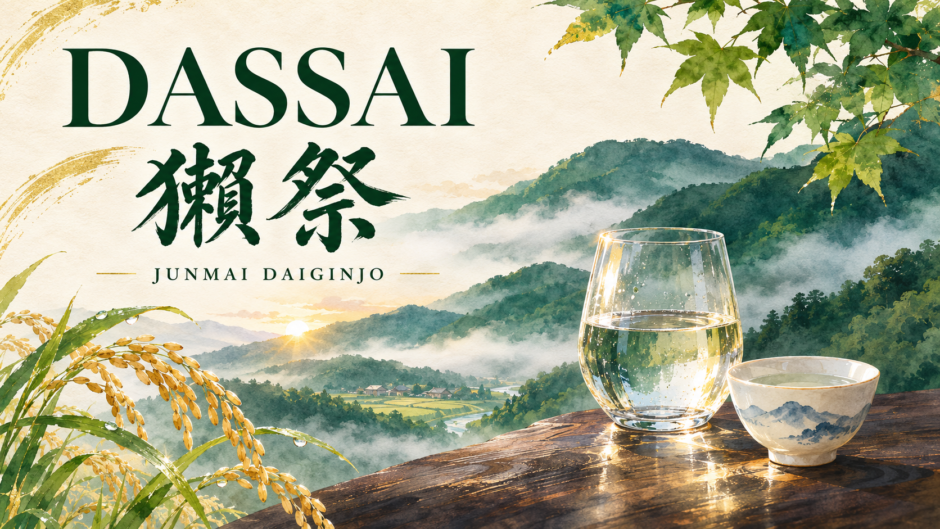

Few Japanese sake names are as widely recognized as Dassai. Made by DASSAI Inc. in Yamaguchi Prefecture, the brand is known for aromatic junmai daiginjo sake and a lineup that makes it easy to compare different rice-polishing levels. A good place to begin is Dassai 45: the approachable, everyday bottle at the heart of the range.
What is Dassai?
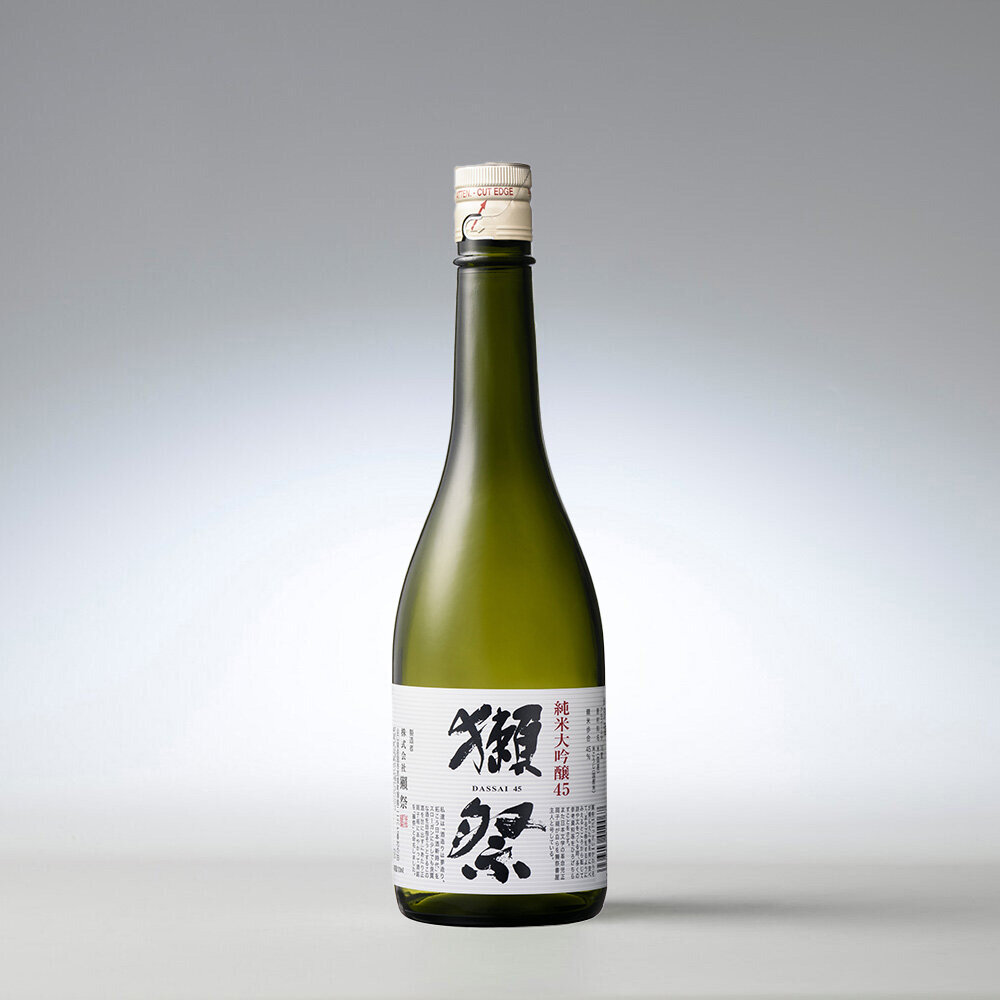
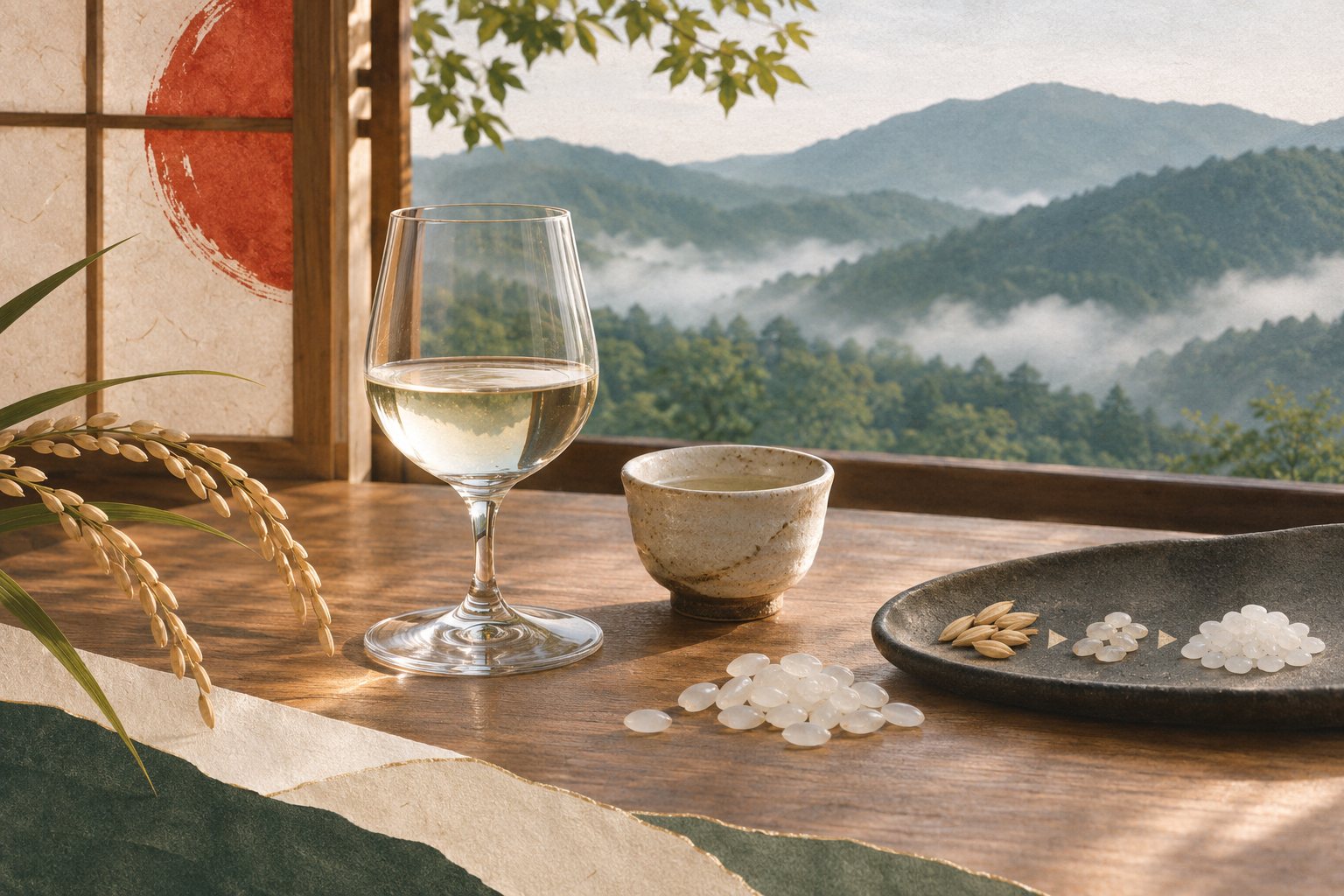
Dassai is a sake brand from Yamaguchi, western Japan. Its best-known classic bottles are Dassai 45, Dassai 39 and Dassai 23. The number refers to the rice-polishing ratio: the share of each rice grain that remains after polishing. For example, Dassai 45 is made with Yamada Nishiki rice polished until 45% of the grain remains. It does not mean that 45% of the rice has been removed.
The producer describes Dassai 45 as its standard bottle, highlighting delicate rice-derived sweetness and a fragrant, fruit-forward aroma. The style is a modern expression of junmai daiginjo, a premium sake category made without added brewing alcohol.
A short history of Dassai
The brewery’s company history dates to 1948, when the family revived its sake brewery under the name Asahi Shuzo. The Dassai brand arrived later: the first Dassai bottles were released in 1990, including versions with 45% and 50% rice-polishing ratios. Dassai 23 followed two years later, helping establish the brand’s focus on highly polished rice and junmai daiginjo sake.
On June 1, 2025, Asahi Shuzo changed its company name to DASSAI Inc. The producer said the change would strengthen recognition of the Dassai brand and support its international growth. The name “Dassai” itself is associated with otters laying out their catch by a river—a scene that inspired the brand name.
Dassai 45 at a glance
- Style: Junmai Daiginjo
- Rice: Yamada Nishiki
- Rice-polishing ratio: 45% remaining
- Made in: Yamaguchi Prefecture, Japan
- Available sizes in Japan: 180 ml, 300 ml, 720 ml and 1,800 ml
How does it taste?
DASSAI Inc. describes Dassai 45 with fruit aromas and delicate sweetness. Individual drinkers often describe a fragrant, smooth profile, while some find the sweetness quite pronounced. A SAKETIME reviewer noted muscat-like aromas, clean sweetness and a light finish; product-specific reviews on GOOD LUCK TRIP mention subtle fruit and rice aromas, a smooth texture and a clean finish. These are personal tasting impressions, so the balance may feel different depending on serving temperature, glassware and food.
How to serve Dassai
The producer recommends serving classic Dassai chilled, around 10–12°C, in a small wine glass to enjoy its aroma. Its official guidance is to keep the bottle refrigerated, enjoy it within about a month of purchase, and finish an opened bottle within a week while keeping it chilled. Dassai can be paired with Japanese food as well as French and Italian dishes.
Price guide in Japan
Official Japanese retail prices vary by bottle size and polishing ratio. As of November 5, 2026, the producer’s listed prices for three classic bottles are:
| Product | 720 ml | 1,800 ml |
|---|---|---|
| Dassai 45 | ¥2,475 | ¥4,950 |
| Dassai 39 | ¥3,080 | ¥6,160 |
| Dassai 23 | ¥6,380 | ¥12,760 |
Smaller bottles are also available; Dassai 45 starts at ¥616 for 180 ml. Gift boxes, limited editions, shipping and prices outside Japan can differ. Check the current listing with the seller before ordering.
What do drinkers say?
SAKETIME’s Dassai brand page showed an average score of 4.12 from 1,746 reviews when checked for this guide. That score covers reviews for the Dassai brand, not Dassai 45 alone. Product-specific feedback is available on GOOD LUCK TRIP, where reviewers mention fruit notes such as apple and melon, smoothness and a gentle sweetness. The listed sample is small, so treat it as a few individual impressions rather than a representative rating. Amazon reviews are not included because we could not verify a consistent, product-specific listing and review set for this guide.
Where to start
If you are new to Dassai, the 720 ml bottle of Dassai 45 is a sensible first choice: it is the standard expression, and its official Japanese list price is ¥2,475. If you prefer a more gift-oriented bottle or want to compare the range, Dassai 39 and Dassai 23 offer higher polishing levels at higher price points.
Sources
- DASSAI Inc. — DASSAI 45 (English)
- DASSAI Inc. — Dassai Junmai Daiginjo 45 and official Japan prices
- DASSAI Inc. — Official price revision table
- DASSAI Inc. — How to enjoy Dassai
- DASSAI Inc. — From rock bottom to success? (brand history)
- DASSAI Inc. — Company name change effective June 1, 2025
- DASSAI Inc. — About Dassai and origin of the name
- SAKETIME — Dassai review overview
- SAKETIME — Individual Dassai 45 review dated September 5, 2026
- GOOD LUCK TRIP — Dassai Junmai Daiginjo 45 reviews
Prices and review totals were checked on November 5, 2026. This guide is informational and does not imply endorsement by the producer or review platforms. Please drink responsibly and follow the legal drinking age in your country.
[…] a sake example, see our Dassai(獺祭)guide. It introduces a specific junmai daiginjo lineup, which offers a useful contrast with the much […]