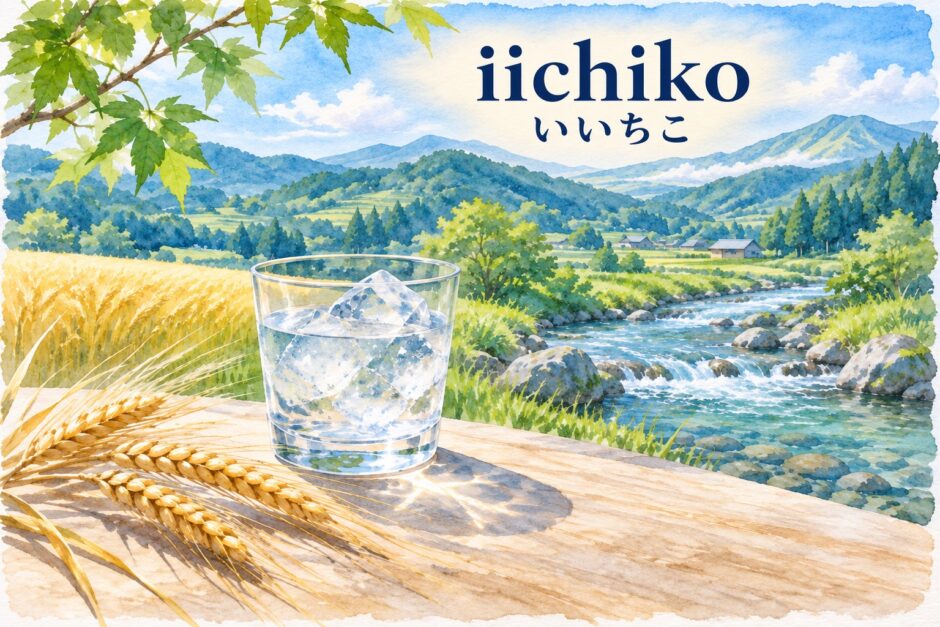

iichiko(いいちこ) is a barley shochu brand from Sanwa Shurui in Oita Prefecture, northeastern Kyushu. Its Silhouette(いいちこシルエット) expression offers a practical introduction to the range: a 25% ABV spirit that can be enjoyed with food, over ice, or diluted with water.
Where sweet potato shochu introduces the character of imo, iichiko offers another route into Japanese spirits through mugi—barley. The bottle is distilled rather than brewed sake, even though fermentation and koji are essential to its production.
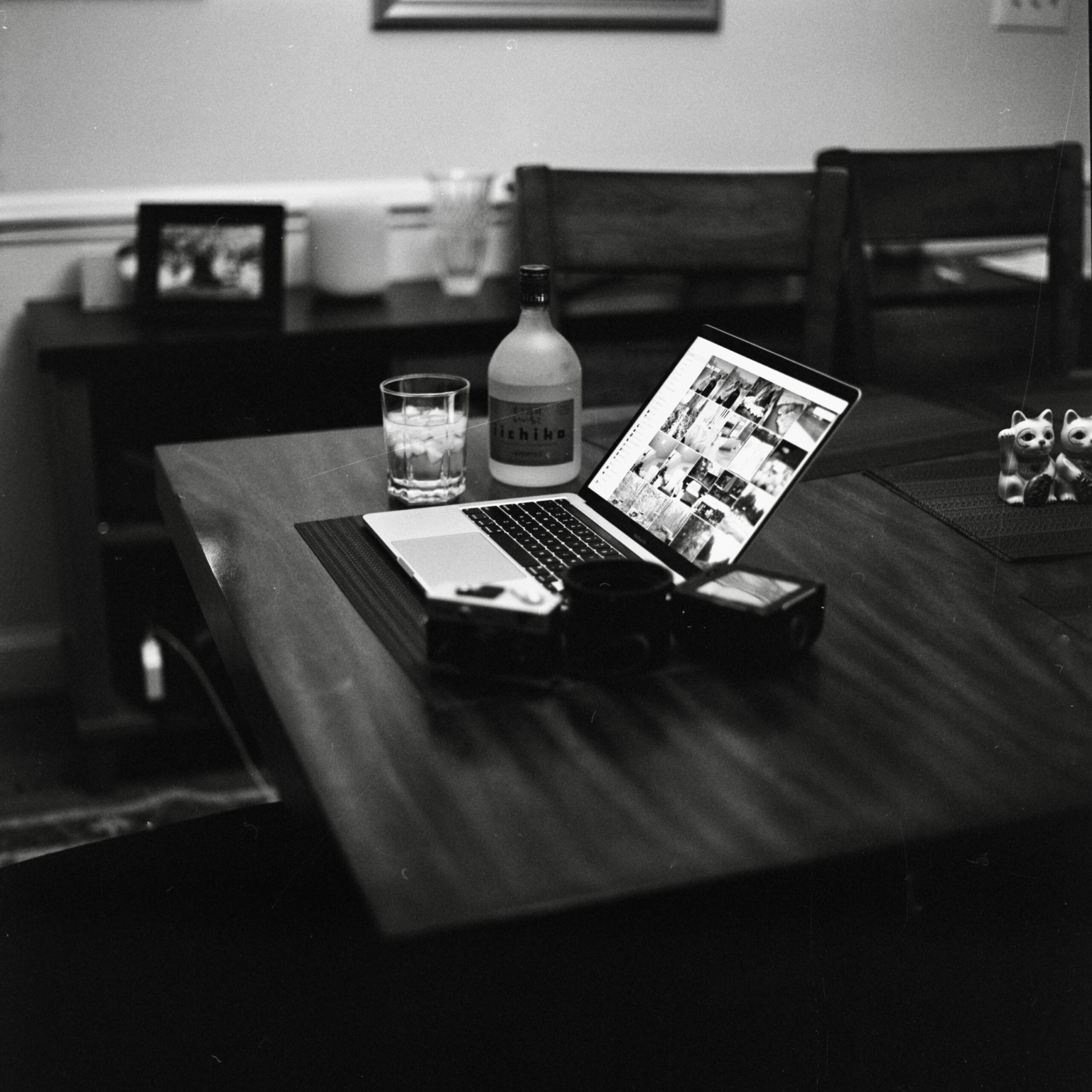
iichiko Silhouette at a glance
- Japanese name: いいちこシルエット
- Producer: Sanwa Shurui Co., Ltd.(三和酒類株式会社)
- Region: Oita Prefecture, Japan
- Style: Honkaku mugi shochu—barley shochu
- Ingredients: Barley and barley koji
- Alcohol: 25% ABV
- Bottle covered here: Japanese-market 720 ml Silhouette
Where does iichiko come from?
Sanwa Shurui was formed in 1958 when three family businesses joined together; a fourth joined the following year. The company name combines the ideas of three and harmony. The iichiko brand arrived in 1979, becoming a major part of the company’s identity.
Oita, on the northeastern side of Kyushu, is central to the story. Sanwa Shurui’s address is in Usa, and its regional setting provides a different point of reference from the Miyazaki home of Kuro Kirishima(黒霧島). Both are Japanese shochu, but their ingredients and individual production choices create different experiences.
What is iichiko made from?
Silhouette uses barley and barley koji. Koji is cultivated on grain and provides enzymes that help turn starch into fermentable sugars. Yeast then produces alcohol, and distillation turns the fermented mash into a spirit.
JETRO’s producer profile lists both atmospheric-pressure and reduced-pressure distillation for Silhouette. In broad terms, Sanwa’s English-language brand site explains that the former can bring richer character, while the latter can bring a more delicate profile. Blending different base spirits helps create a finished expression.
This is why “barley shochu” describes a family of possibilities rather than one fixed flavor. The grain matters, but so do fermentation, distillation and blending.
What does Silhouette taste like?
The Japanese producer positions Silhouette as a step up within the iichiko range, emphasizing aroma and depth. JETRO describes a mellow style, while the English brand presentation highlights drinkability with meals. These are producer and trade-source descriptions rather than our own first-hand tasting notes.
For a simple introduction, compare a small taste over ice with the same bottle diluted with water. Notice how much aroma remains, how the texture changes, and whether you prefer it as a short drink or alongside dinner. Those observations are more useful than assuming every barley shochu will taste alike.
How do you drink iichiko Silhouette?
The Japanese product page recommends hot-water and cold-water serves to enjoy its aroma and depth. The English brand site also suggests drinking it neat, over ice, or in mixed drinks.
- Mizuwari(水割り): Add still water and adjust the balance to your preference.
- Oyuwari(お湯割り): Mix with hot water for a warm serving.
- On the rocks: Let ice gradually chill and dilute the shochu.
- With soda: Make a longer drink, using a modest shochu pour and chilled soda.
Start with a simple serve before adding citrus, tea or other mixers. That gives you a clearer sense of the bottle itself.
Silhouette vs. Saiten: check the expression
“iichiko” is a brand name, not a single universal bottle. Silhouette is 25% ABV; iichiko Saiten(iichiko彩天)is 43% ABV and is presented as an expression developed for cocktail use. They should not be treated as interchangeable strengths when following a recipe.
The range also includes other expressions, and availability differs by country. Check the full product name, volume and ABV on the seller’s listing. A Japanese-market bottle and an export listing may use different sizes or packaging.
How much does it cost in Japan?
On November 6, 2026, Sanwa Shurui’s official Japanese product page listed iichiko Silhouette 720 ml, 25% ABV at ¥1,231 including tax as its suggested retail price. This is the reference used here, rather than an older price in a historical trade profile.
Retail prices, shipping and prices outside Japan can differ. Compare the exact expression and bottle size before judging whether a listing is inexpensive or expensive.
Where to start
Silhouette is a straightforward starting point if you want to explore iichiko as a drink with food. Try water or ice first, then compare it with a sweet potato shochu to discover how differently the two bases can express themselves. You may find that the serving style matters almost as much as the bottle.
Sources
- Sanwa Shurui — Silhouette 720 ml, current Japanese price and serving guidance
- iichiko — production overview, Silhouette and Saiten
- JETRO — Sanwa Shurui history, location and Silhouette production details (historical profile; its price is not used here)
- Wikimedia Commons — Tom Mills photograph and license
Product information and price checked November 6, 2026. Featured image: AI-generated editorial illustration of an imagined Oita-inspired setting.

[…] explore ingredients across shochu, compare Lento with barley-based iichiko or sweet potato Mitake. These are different starting points, rather than rungs on a quality […]