
Kokuryu (黒龍) is a sake brand from Eiheiji, Fukui, where Kokuryu Sake Brewing traces its beginnings to 1804. The name is often translated as “black dragon,” but the brewery’s story is grounded in water, rice and a continuing pursuit of sake that suits food. Its 220th-anniversary project offers a revealing way to understand that history.
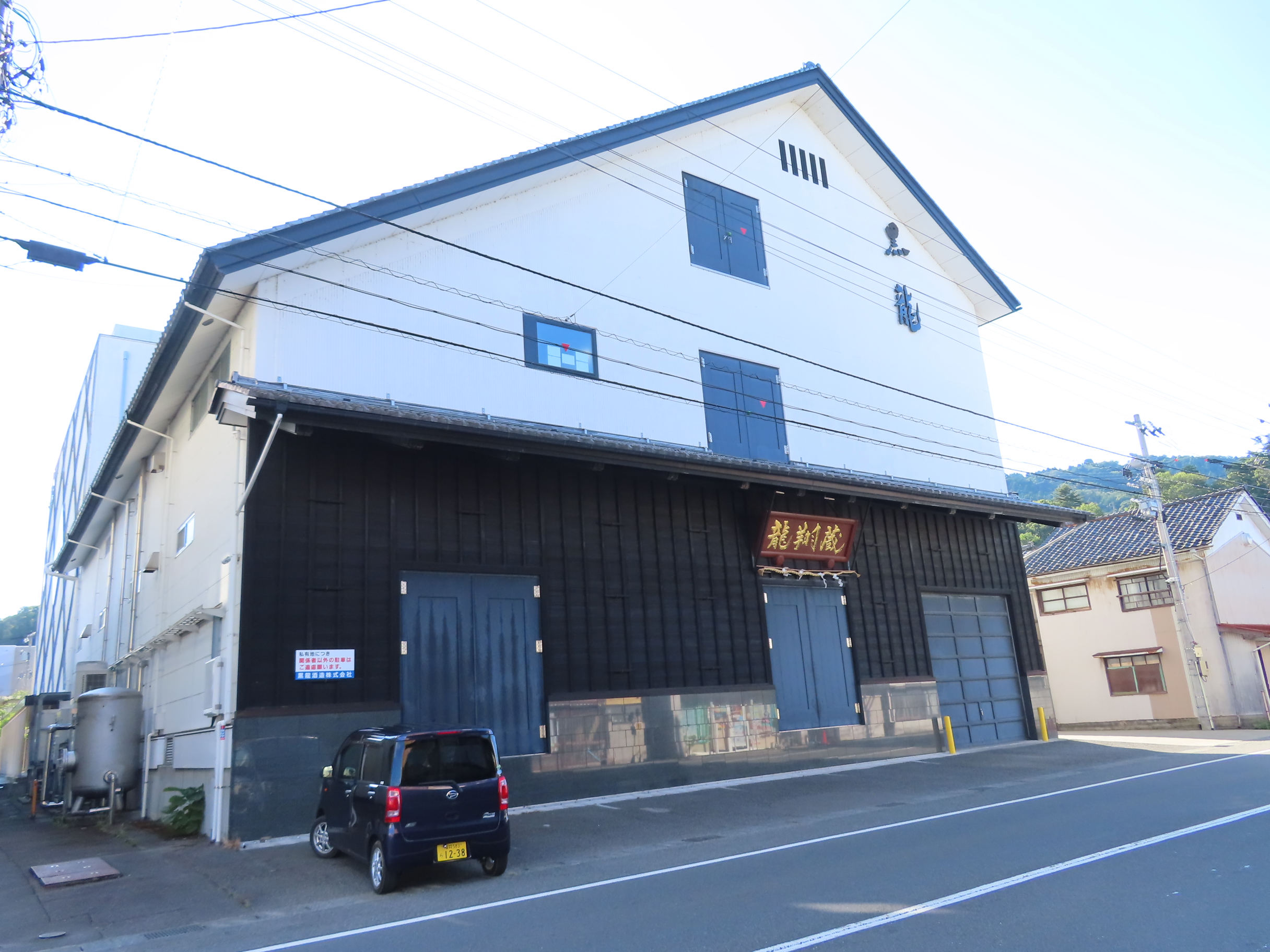
Kokuryu at a glance
| Japanese name | 黒龍 — Kokuryu |
|---|---|
| Producer | Kokuryu Sake Brewing |
| Home | Matsuoka, Eiheiji Town, Fukui Prefecture |
| Founded | 1804 |
| Anniversary milestone | 220 years in 2024 |
| Also made by this brewery | Kuzuryu — 九頭龍 |
| Guide focus | The brewery’s identity and its 220th-anniversary expressions |
Fukui water and food
The brewery’s profile with the Japan Sake and Shochu Makers Association describes a goal of delicate umami, moderate flavor and sake that supports food. It connects that goal to local Fukui cuisine, rather than presenting intensity alone as the measure of success.
Kokuryu’s anniversary site emphasizes carefully grown sake rice, groundwater associated with the Hakusan mountain system and work passed between generations of brewers. Founded in 1804, the company marked its 220th anniversary in 2024.
These details provide context for reading a label. Kokuryu is the brand; a specific product name, rice, category and alcohol level tell you what is actually in the bottle.
Three generations interpreted through sake
For the anniversary, the brewery created three special junmai daiginjo expressions associated with its sixth, seventh and eighth generations. They illustrate different interpretations within a shared specification.
| Anniversary expression | Shared official specifications |
|---|---|
| 六・義 — sixth generation | Junmai Daiginjo; Hyogo Yamada Nishiki; 40% rice remaining; 17% alcohol |
| 七・正 — seventh generation | Junmai Daiginjo; Hyogo Yamada Nishiki; 40% rice remaining; 17% alcohol |
| 八・直 — eighth generation | Junmai Daiginjo; Hyogo Yamada Nishiki; 40% rice remaining; 17% alcohol |
The official descriptions distinguish a firmer, classical impression for the sixth-generation expression, a more elegant and linear character for the seventh, and a fuller, layered impression for the eighth. Those are producer-published interpretations, not tasting conclusions from this guide.
These were commemorative products for the 2024 milestone. Their official pages are useful for understanding the brand’s history; they do not establish current stock or a regular year-round offering.
How to choose a Kokuryu bottle today
Start with the exact product offered by your retailer, rather than assuming the anniversary specifications apply across the brand. Check the category, rice-polishing ratio, alcohol, volume and any seasonal wording. If an English listing abbreviates the name, compare it with the Japanese text on the bottle.
At 40% remaining, the anniversary rice was polished until 40% of the original grain remained. That is a production specification, not a universal quality score or a number to transfer to another Kokuryu expression.
Kokuryu and Kuzuryu
The official makers’ association profile lists both Kokuryu (黒龍) and Kuzuryu (九頭龍) as brands from the same brewery. They are different names, so match the kanji carefully when searching or shopping. The shared producer does not make two differently named products interchangeable.
A useful first tasting approach
Ask for a currently available bottle suited to the meal and budget you have in mind, then follow its serving instructions. As an editorial exercise, taste a small pour before and during the meal and notice whether aroma, acidity or savory flavor changes in prominence.
That approach fits the food-focused philosophy described by the brewery while leaving room for your own preferences. Confirm local prices and availability for the exact product rather than relying on a single price for the Kokuryu name.
Explore more Japanese sake
Compare these stories with Masumi (真澄) and its No. 7 yeast heritage, Kiku-Masamune (菊正宗) and cedar-scented taru sake, or Shinkame (神亀) and aged junmai.
Sources and further reading
- Japan Sake and Shochu Makers Association — Kokuryu brewery profile
- Kokuryu — 220th-anniversary history and concept
- Kokuryu — anniversary product specifications
- Kokuryu — official site
Information checked November 6, 2026. Product specifications and availability may change. Tasting descriptions are attributed to the producer rather than based on a tasting conducted for this article.