
Maou(魔王) is a sweet potato shochu from Shiratama Jozo(白玉醸造)in Kinko, Kagoshima Prefecture. Its dramatic name is often translated as “Demon King,” but the style described by the Kagoshima Shochu Makers Association is surprisingly delicate: apple-like fragrance and a light, clean taste, best explored chilled.
For English-speaking readers, Maou offers a useful reminder that sweet potato shochu is not a single heavy, earthy style. Ingredients matter, but fermentation, distillation and the maker’s choices can lead to very different expressions.
Maou at a glance
- Japanese name: 魔王(まおう)
- Romanization: Maou; also written Mao or Maō
- Producer: Shiratama Jozo(白玉醸造株式会社)
- Home: Kinko, on the Osumi Peninsula, Kagoshima
- Type: Imo shochu—sweet potato shochu
- Alcohol: 25% ABV for the standard bottles discussed here
- Ingredients: Sweet potatoes and rice koji
- Common bottle sizes: 720 ml and 1,800 ml
How to recognize the bottle
The two large brush-written characters 魔王 are the most useful visual clue when looking at a Japanese shelf or menu. The bottle shown in the association’s product entry has a pale label with the brand name written vertically. Look for the producer name 白玉醸造 as well as the product name, then check the volume and alcohol percentage.
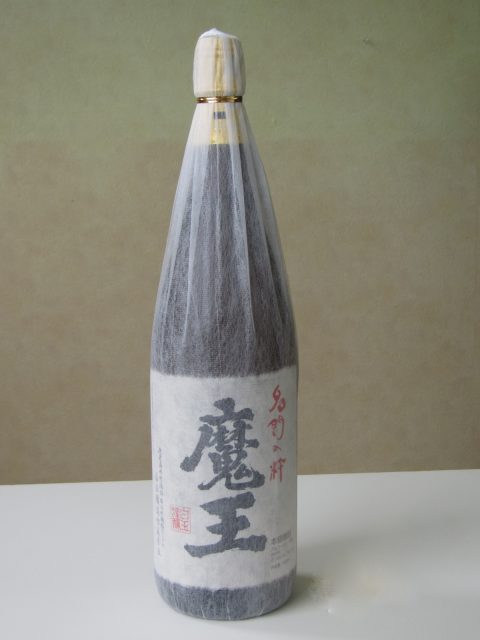
Romanized spellings can differ between overseas shops. Searching with both “Maou” and “魔王” can help you identify the intended product. The Japanese characters also keep the search separate from unrelated uses of the word in games and fiction.
The distillery behind Maou
The prefectural association traces Shiratama Jozo’s history to 1904. Its home is on Kagoshima’s Osumi Peninsula, and the association describes a locally rooted business that has taken a measured approach to growth. The national Japan Sake and Shochu Makers Association also lists the producer in Kinko.
This regional background is worth remembering when encountering Maou through its reputation or gift-market pricing. The bottle comes from a specific distilling community; the brand’s fame is only one part of its identity.
What does Maou taste like?
The Kagoshima association describes a fragrance reminiscent of apples and ginjo sake, with a light, refreshing profile. Its listing also identifies apple and citrus aroma families. These are published style descriptions rather than our own first-hand tasting notes.
Specialist retailer Kagiya describes yellow-koji rice koji, reduced-pressure distillation and maturation as part of Maou’s production. Marudai, which identifies itself as an authorized retailer, also lists yellow koji and reduced-pressure distillation. These details are attributed to the retailers because the association’s shorter entry does not provide a full production specification.
A fruity aroma does not mean fruit has been added. Maou remains a sweet potato spirit. The comparison with ginjo sake concerns fragrance, not a change in drink category.
Why is it called “Maou”?
Marudai’s product description links the name to a playful story about devils tempting angels and bringing exceptional liquor to the demon world. It draws on the imagery of the “angel’s share,” a term associated with spirit lost during maturation.
Treat that as the brand story presented by the retailer. It does not, on its own, establish a particular cask type or an age statement for the bottle. The contrast between the formidable name and the restrained drinking style is interesting enough without adding a mythical production history.
How should you drink it?
The prefectural association recommends on the rocks or with water and emphasizes drinking it chilled. Those are sensible starting points for exploring the aroma.
- Over ice: Use a modest pour and notice how the fragrance changes as the drink chills and dilutes.
- With water: Add a little still water, taste, and adjust gradually.
- With food: Begin with a simple dish whose seasoning lets you notice the spirit, then explore your own combinations.
The last suggestion is an editorial starting point, rather than a producer-certified pairing. There is no need to choose a strong mixer for your first glass.
How much does Maou cost in Japan?
Price and immediate availability need to be read together. The following are individual retailer listings checked on November 6, 2026, not a manufacturer’s official suggested retail price or a market-wide average.
| Retailer | Bottle | Listed price, tax included | Status when checked |
|---|---|---|---|
| Kagiya | 720 ml, 25% | ¥1,548 | Out of stock; one-bottle limit shown |
| Marudai | 720 ml, 25% | ¥1,780 | Out of stock; one-bottle limit shown |
A sold-out listing is not an offer you can necessarily purchase today. Check stock, shipping, purchase conditions and whether a listing is for a single bottle or a set. Overseas prices can differ substantially. Paying more does not change the liquid’s stated specifications.
Where does it fit in a shochu tasting?
Compare Maou with Kuro Kirishima(黒霧島) to explore two sweet potato expressions, or with iichiko(いいちこ) for a barley-based contrast. These are different reference points, not a ranking.
If the category is new to you, our shochu vs. sake guide explains why a distilled spirit can share koji-based traditions with sake while remaining a different kind of drink.
Sources
- Kagoshima Shochu Makers Association — Maou product description and photograph
- Kagoshima Shochu Makers Association — Shiratama Jozo history and location
- Japan Sake and Shochu Makers Association — producer directory entry
- Kagiya — product specifications, production description and retailer price
- Marudai — specifications, name story and retailer price
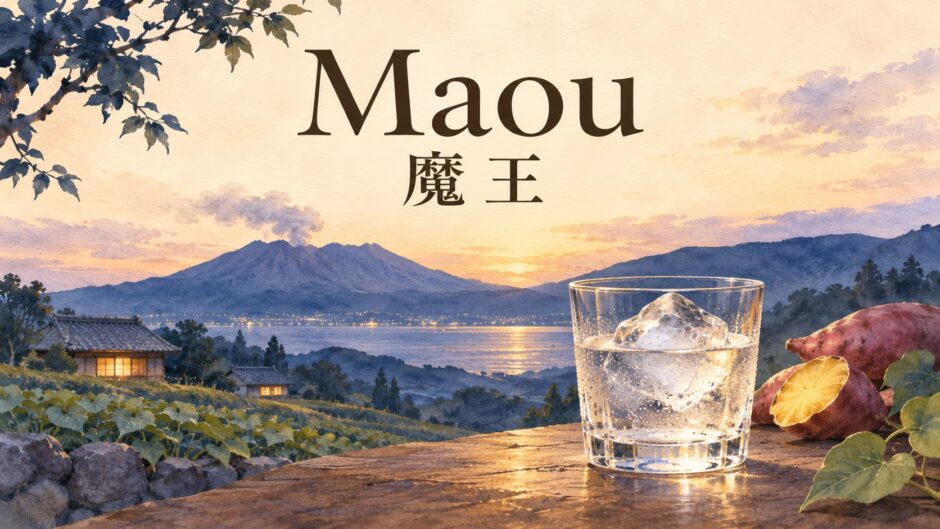
Information checked November 6, 2026. Featured image: AI-generated editorial illustration of an imagined Kagoshima-inspired setting. This independent guide is not a first-hand tasting report.